Water for wildlife

by David Day
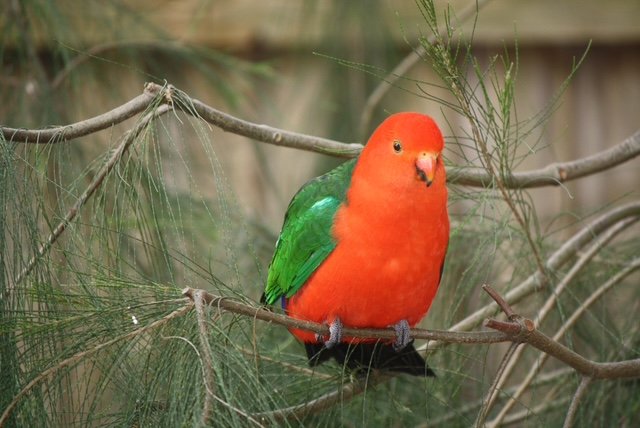
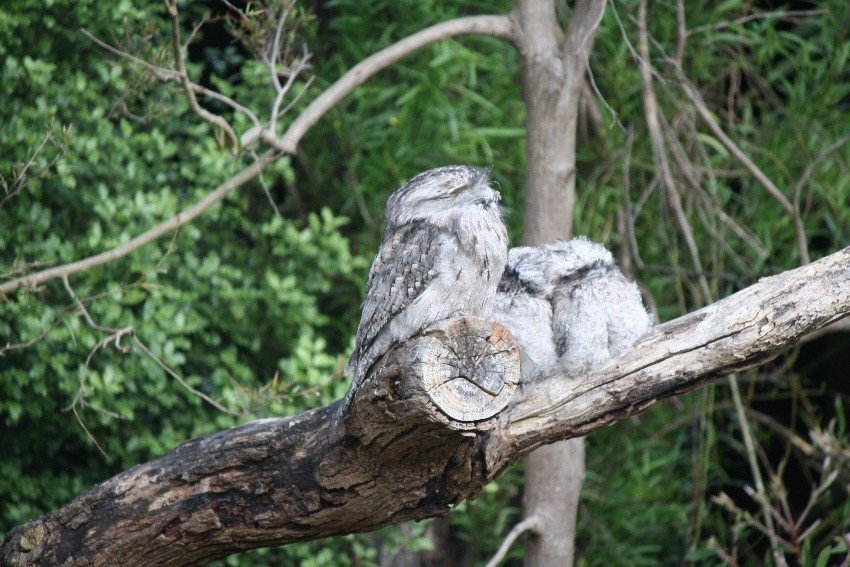
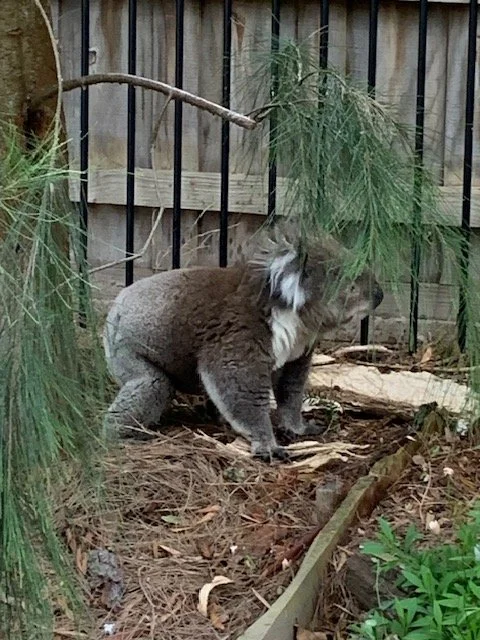
Imagine having King Parrots, Tawny Frogmouths and Galahs come to visit. My garden gets them regularly, along with the odd koala, and I’m going to share a few tips with you on how yours can too.
Our local wildlife needs water, especially over our long hot summers. Now is a good time to get your garden ready.
It is easy to add water sources just by using many everyday items, along with those we may have collected over the years. These help our wildlife survive. They also attract wildlife.
Examples of water sources and how to position them
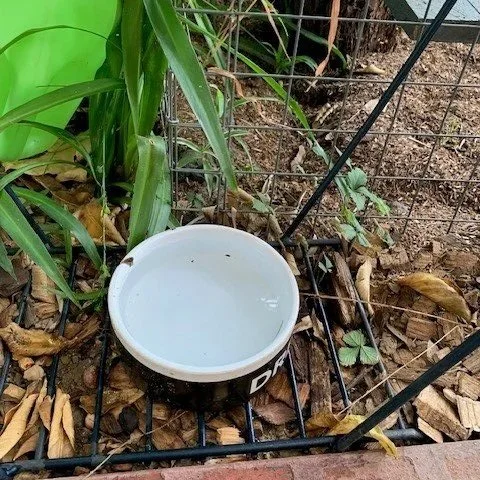
The simplest source of water for birds and animals is an old pet water bowl.
A raised birdbath placed close to vegetation in case of predators is a great place for birds to cool off in summer.

Our visiting Eastern Spinebill loves this raised birdbath that is next to spiky dense bush.
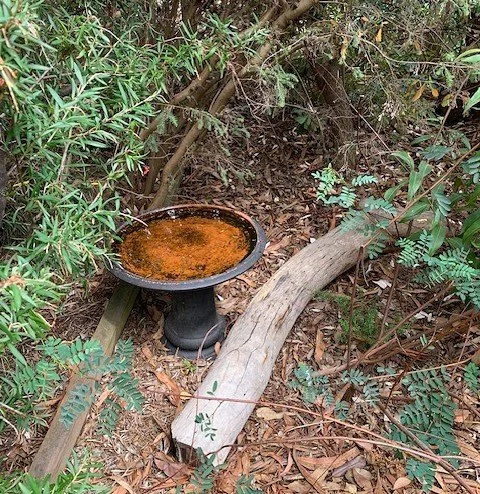
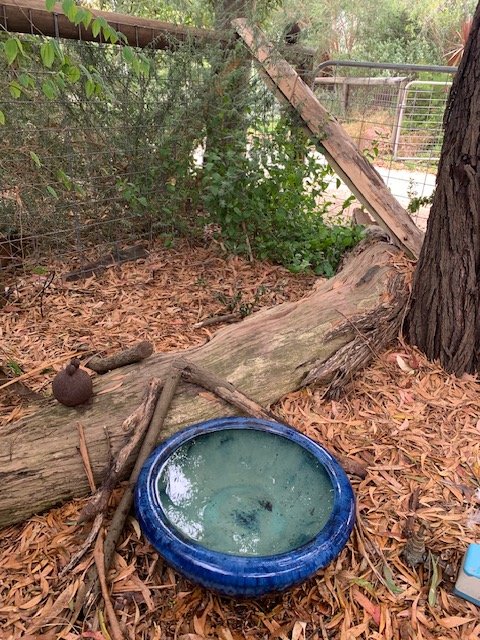
These baths at ground level are ideal for frogs and lizard as they are surrounded by leaf matter, twigs and old logs which act as cover to protect them from predators.
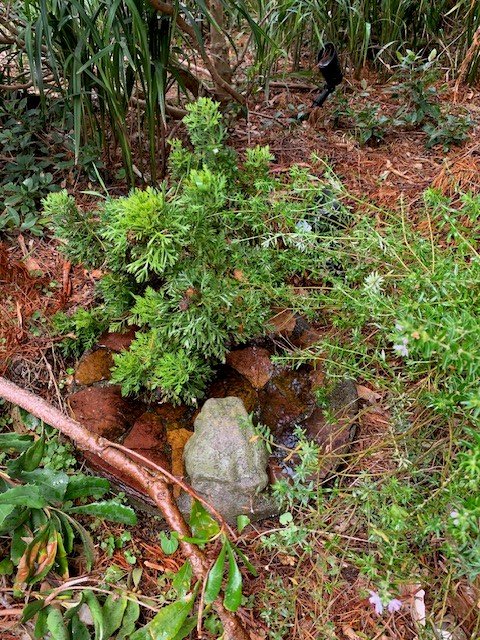
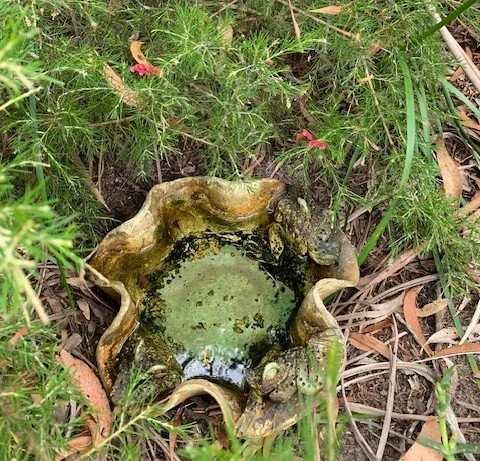
This is an example of a raised bath for birds and one at ground level for other wildlife.
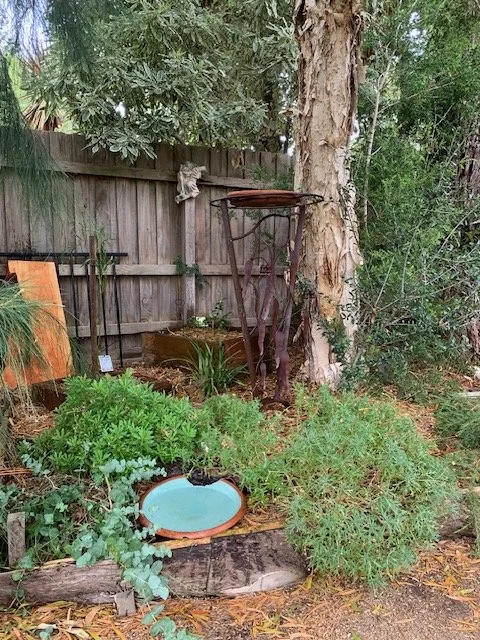
The bowl below receives visits from mammals and birds. Note the logs and branches that let smaller animals access the water. Note also the ramp that lets koalas cross the fence. We have seen koalas here on multiple occasions.
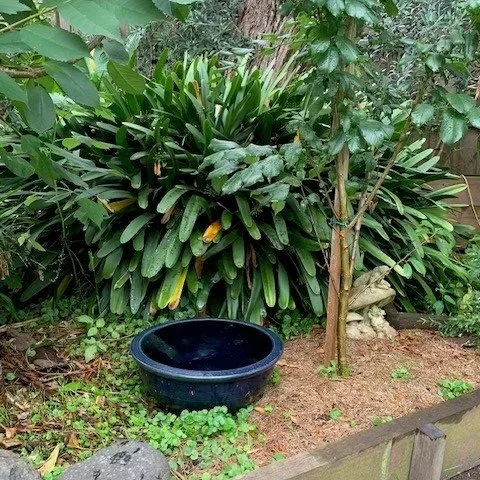
The one below is specifically for koalas and larger wildlife.
Once you have set up water sources for wildlife, it is essential to keep them cleaned and to add fresh water regularly. This generally takes less than 30 minutes per week..
We find a weekly clean and water change suffices except in summer when it is needed more often.
You can set up more water sources once you have had the chance to see where particular birds tend to visit.
Note though, we do find all these water bowls attract mosquitoes which can be very annoying. To counter this we have planted a few fragrant species of plants like native basil, native scented gum, marigolds and lemon scented gum that act as deterrents. We have also installed a few microbat boxes in the hope that we attract some microbats which are reportedly huge eaters of mosquitoes.