Living rough at the southern end of the peninsula
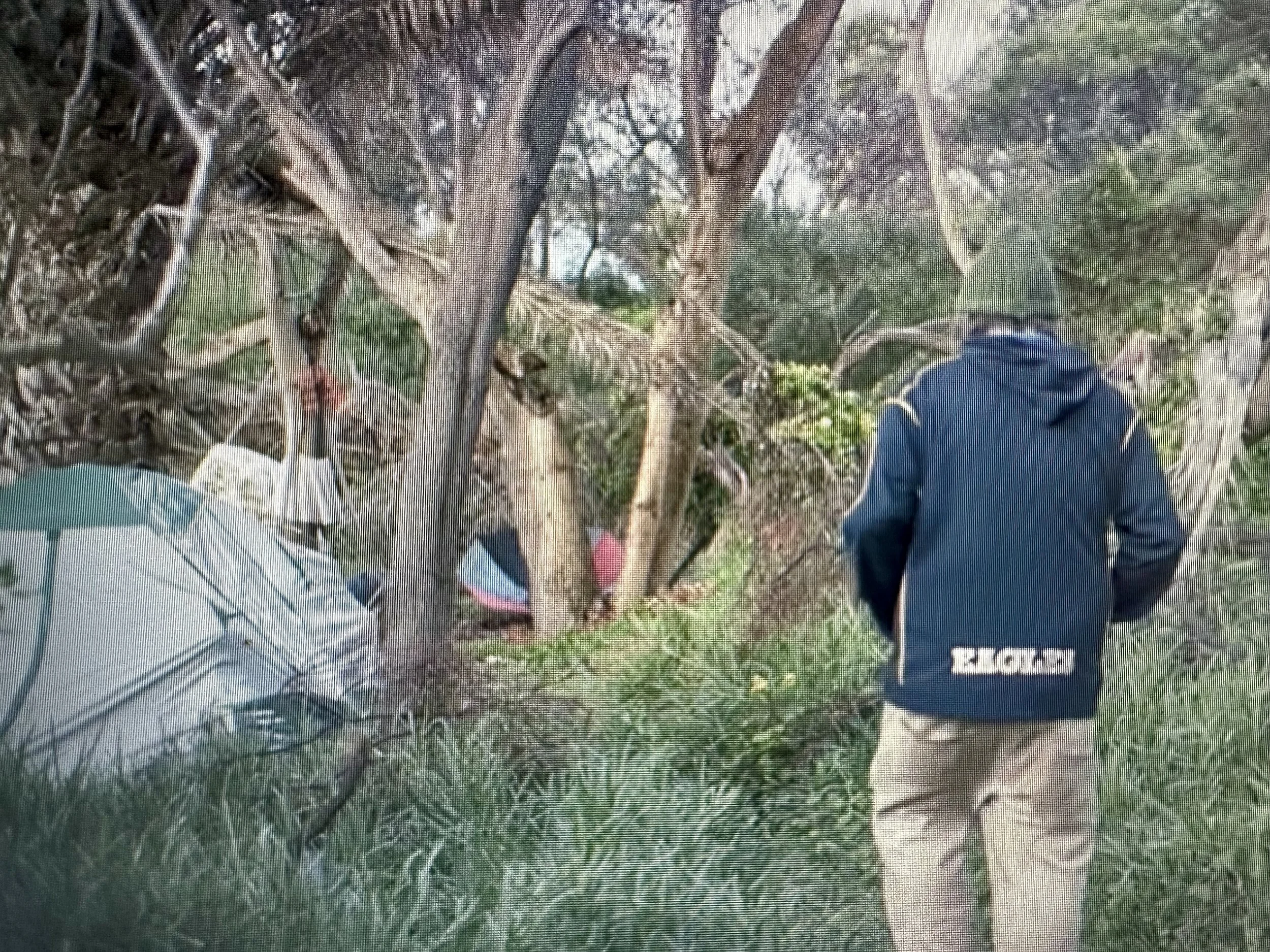
There’s a myriad of reasons why someone ends up living in the scrub around towns with nothing more than a tent or a car to keep them safe.
People talk a lot about “the cost-of-living crisis”. Rising prices, rates and rents have affected all of us to some degree or other. For many, “crisis” might seem an overstatement.
But cross over Red Hill, and you’ll find the pointy end of it.
According to data collected by the Functional Zero project, this year the Mornington Peninsula shot to being the rough sleeping capital of Greater Melbourne with 128 men and women surviving amongst the foreshore bushes, living in parks and freeway reserves in tents or makeshift shelters, with others sleeping in cars. More than two thirds of this group on are the Southern Peninsula, that extends from Safety Beach to Flinders to Pt Nepean.
Just last month another rough sleeper died, the fourth since mid-2024. Yet the area receives no government funding for the kind of trained staff known as assertive outreach workers who go looking for the toughest cases in bushes, on beaches and in roadside reserves. That funding only comes from the community.
Frontline workers say they’re facing an “out-of-control crisis.”
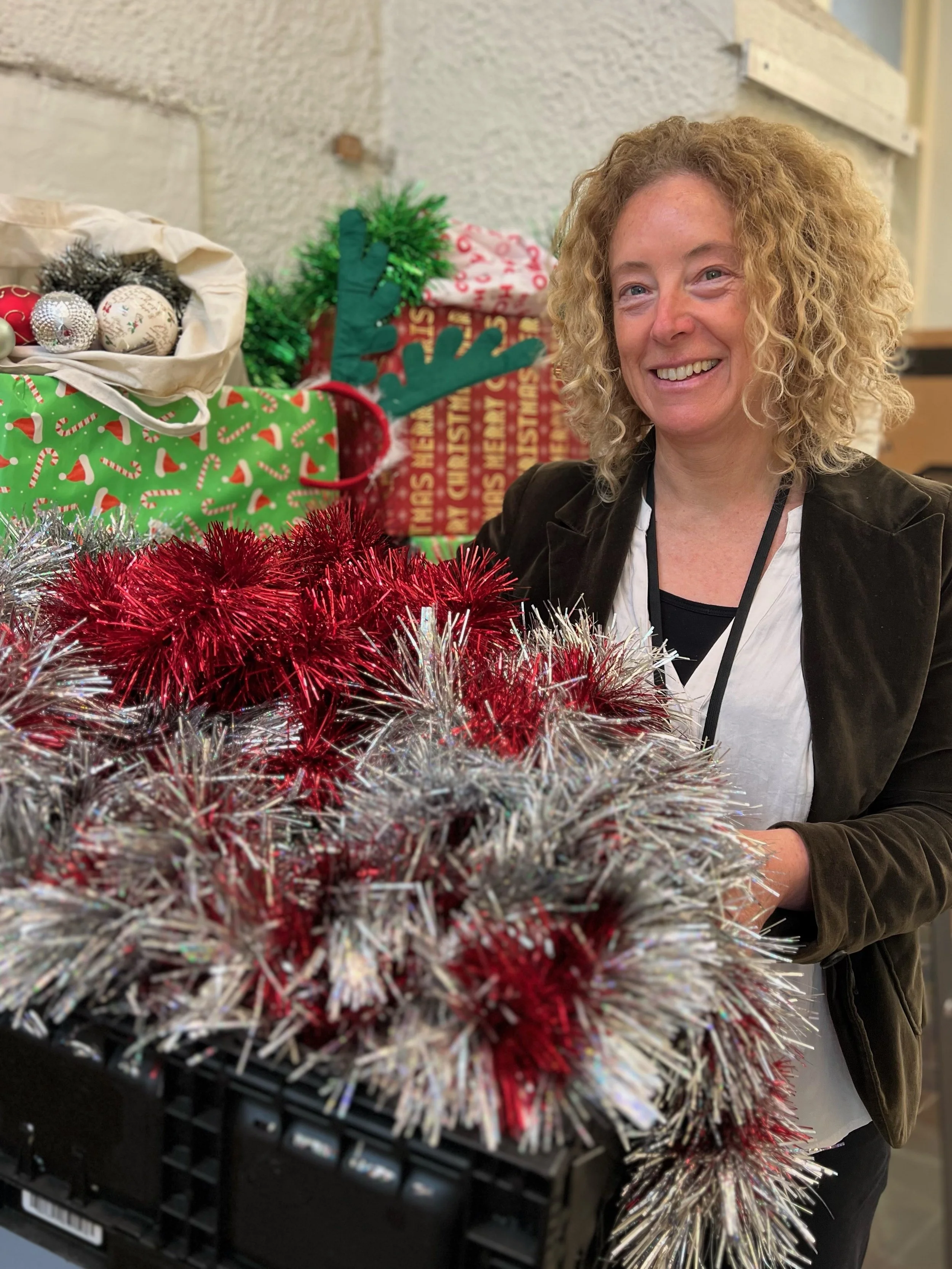
“A sudden change in circumstances like a debilitating injury, mental illness, relationship breakdown and substance use, can all contribute to someone going from being able to hold down a job to sleeping rough,” Southern Peninsula Community Support’s (SPCS) program director Miranda Gillespie says. “And Rosebud is in the epicentre of it.”
Miranda Gillespie is helping to make the centre feel like home at Christmas.
“Right now, we are restricted to helping new rough sleepers with the provision of food and material aid such as a mobile phone, tent, cookers, air bed and tarpaulin,” SPCS’s CEO Jeremy Maxwell says. “It’s heart breaking for all of us here.”
Rough sleepers are a critical but small part of the Rosebud-based charity’s remit.
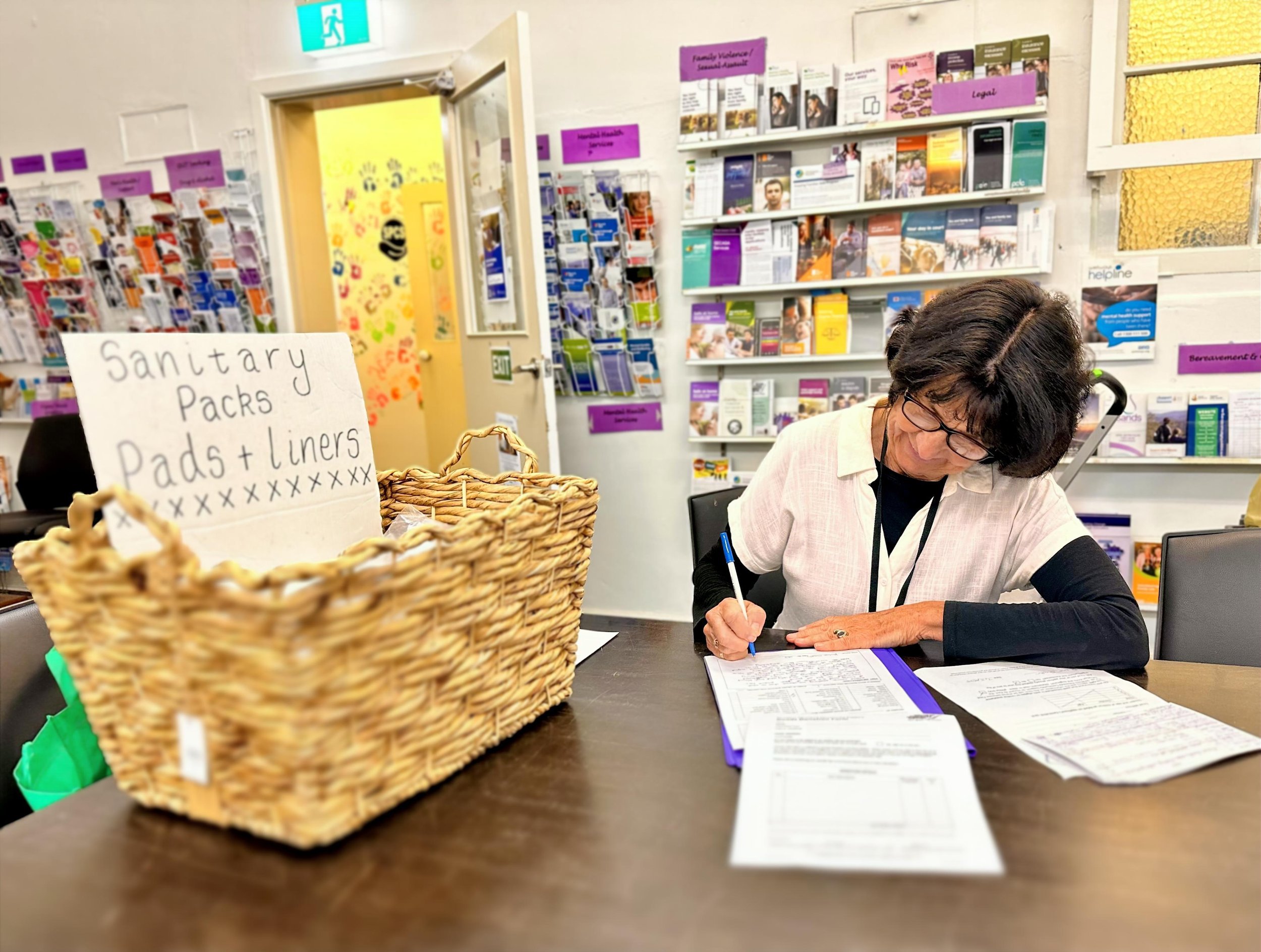
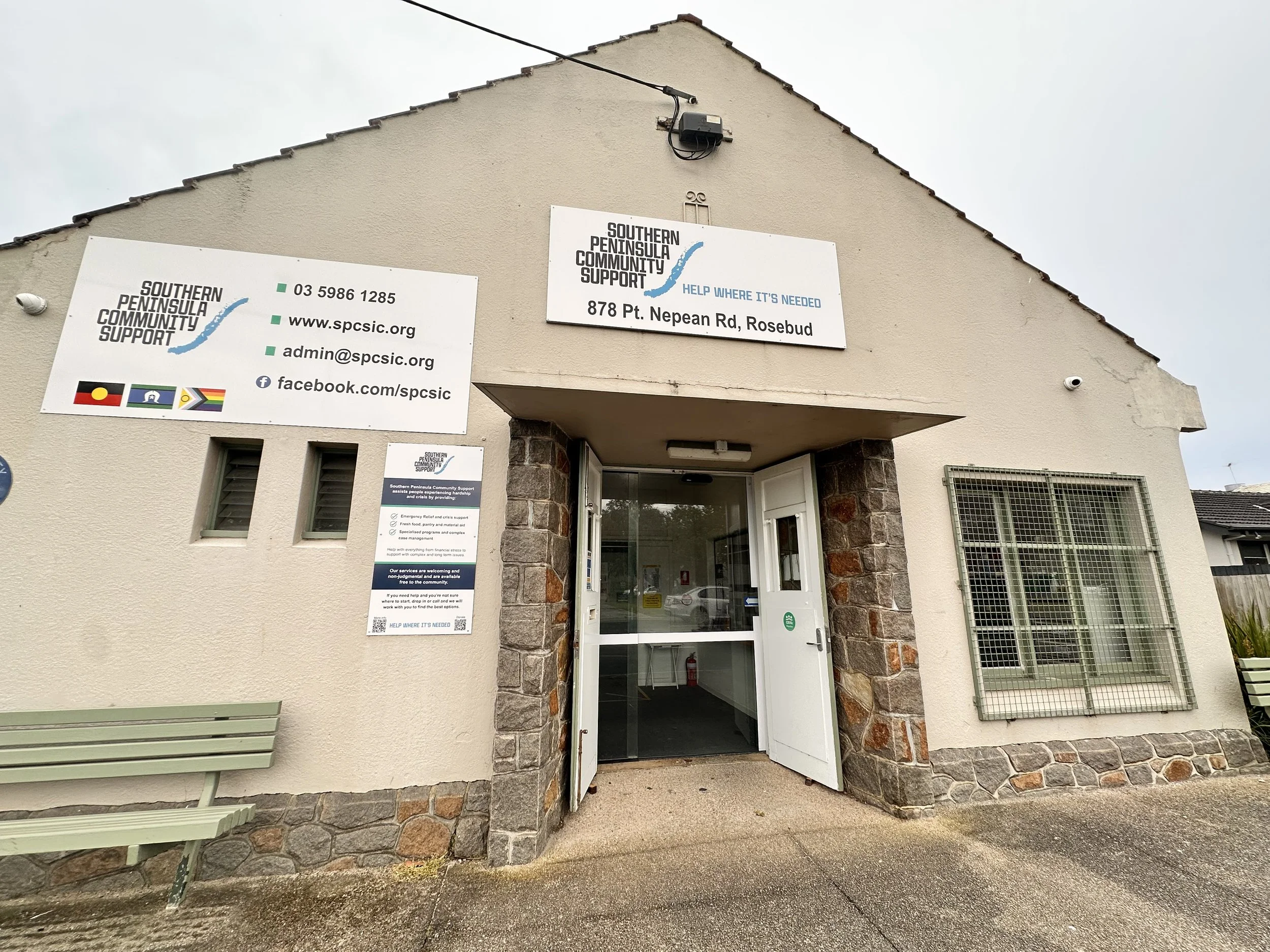
Visit the SPCS centre at 878 Pt Nepean Road and you’ll get a sense of the wide range of people it helps: from people who’ve fallen behind in rent because of medical bills or a curve ball like a car breaking down to those escaping family violence.
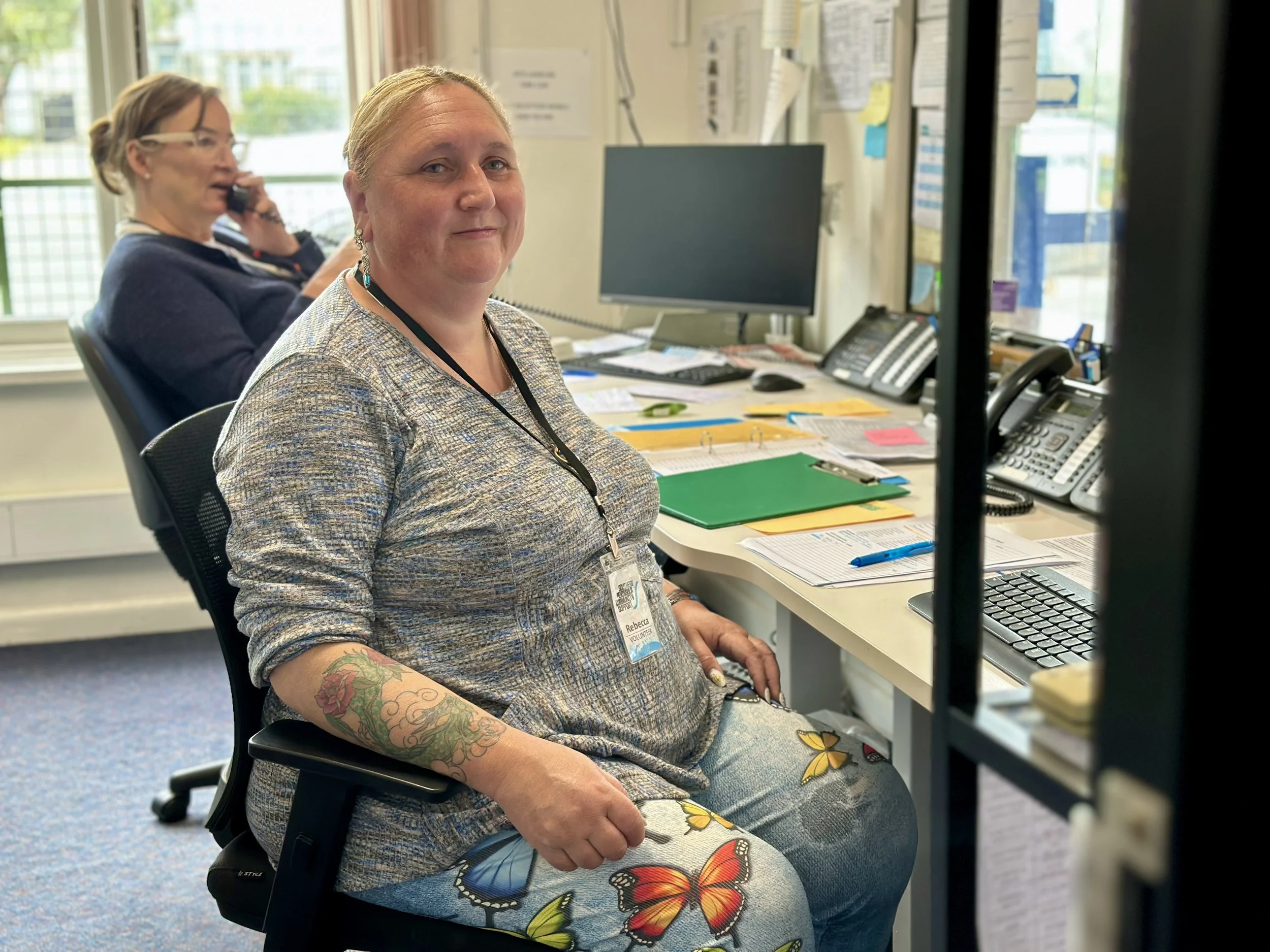
There’s an extraordinary group of volunteers doing interviews or taking calls, and assisting the daily queue of people needing supplies of fresh and packaged food, baby care items, blankets, as well as a willing ear.
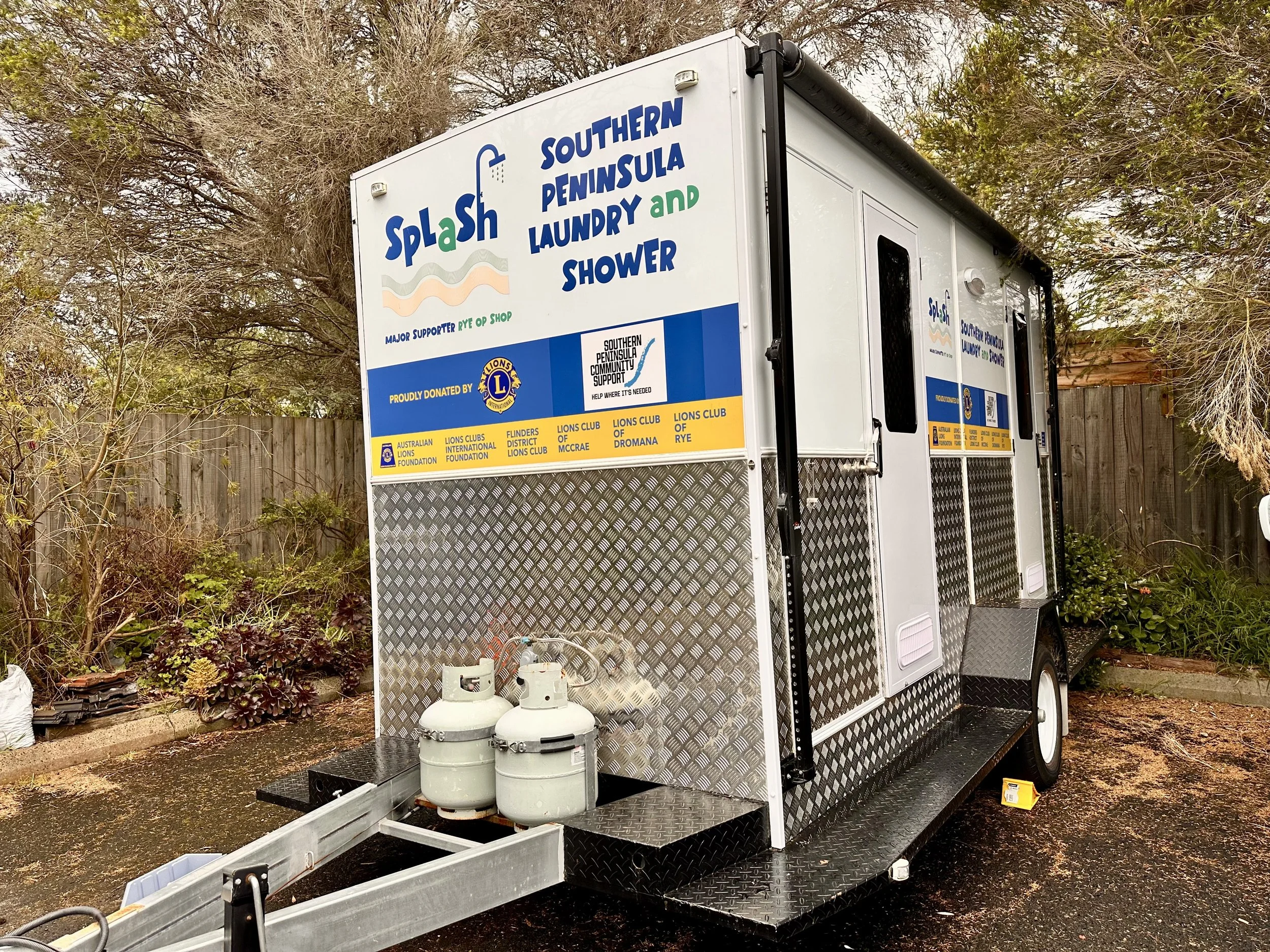
Drive along the coastline and you’re sure to spot the centre’s SPLaSh (Southern Peninsula Laundry and Shower program) van next to the toilet block on the foreshore at the end of Boneo Road, where people can get food, have a shower and wash their clothes. While they’re doing that, they connect with workers and other services.
We are not judgemental,” Jeremy says. “With our wraparound model of care, we’re trying to help 2000 clients and their families get on top of the challenges they’re facing. And for most the only way to make a start is by addressing the most immediate needs of food and material aid. It’s only then we can help with wider issues like bills and other challenges such as homelessness, and begin to provide a way forward and restore human dignity.”
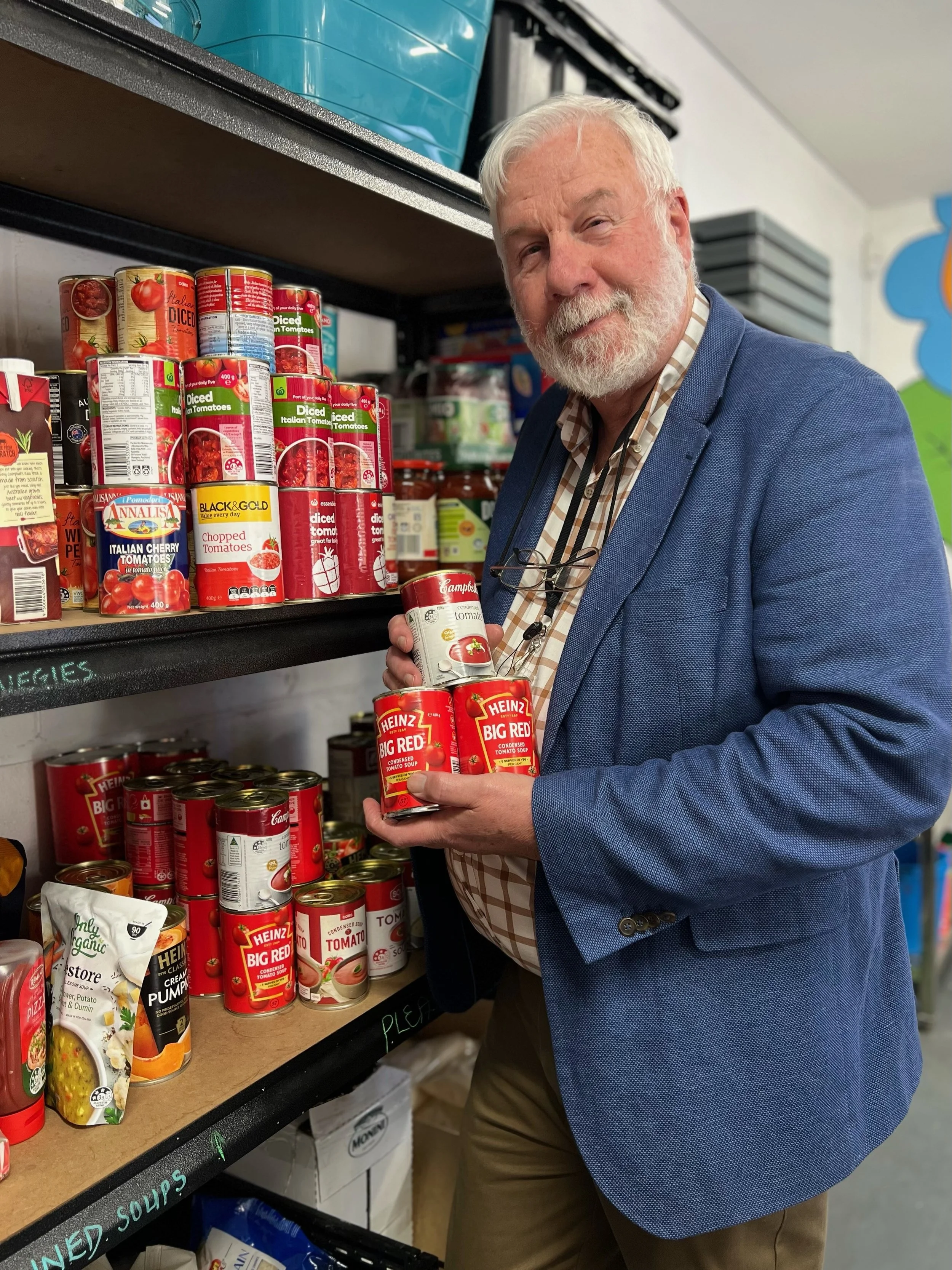
Jeremy Maxwell is gathering up donated tins to give to the increasing number of people who need help.
SPCS started in the 1980s as a Citizens Advice Bureau but has had to fill many program gaps as other metropolitan providers either won’t come this far or have withdrawn their face- to- face services and moved closer to Melbourne.
Its catchment takes in all the old Shire of Flinders which included Shoreham. It has clients in areas generally considered well off like Main Ridge, Red Hill and Sorrento.
“There is a chronic shortage of public housing in this area,” Jeremy says. “Even worse, there has been only one crisis accommodation facility on the whole Peninsula, The Ranch Motel in Mornington. Its 14 rooms are due to close in January. We partner with Mornington Community Support Centre and with the help of donors, we’re hoping to bring online another seven rooms before that happens.”
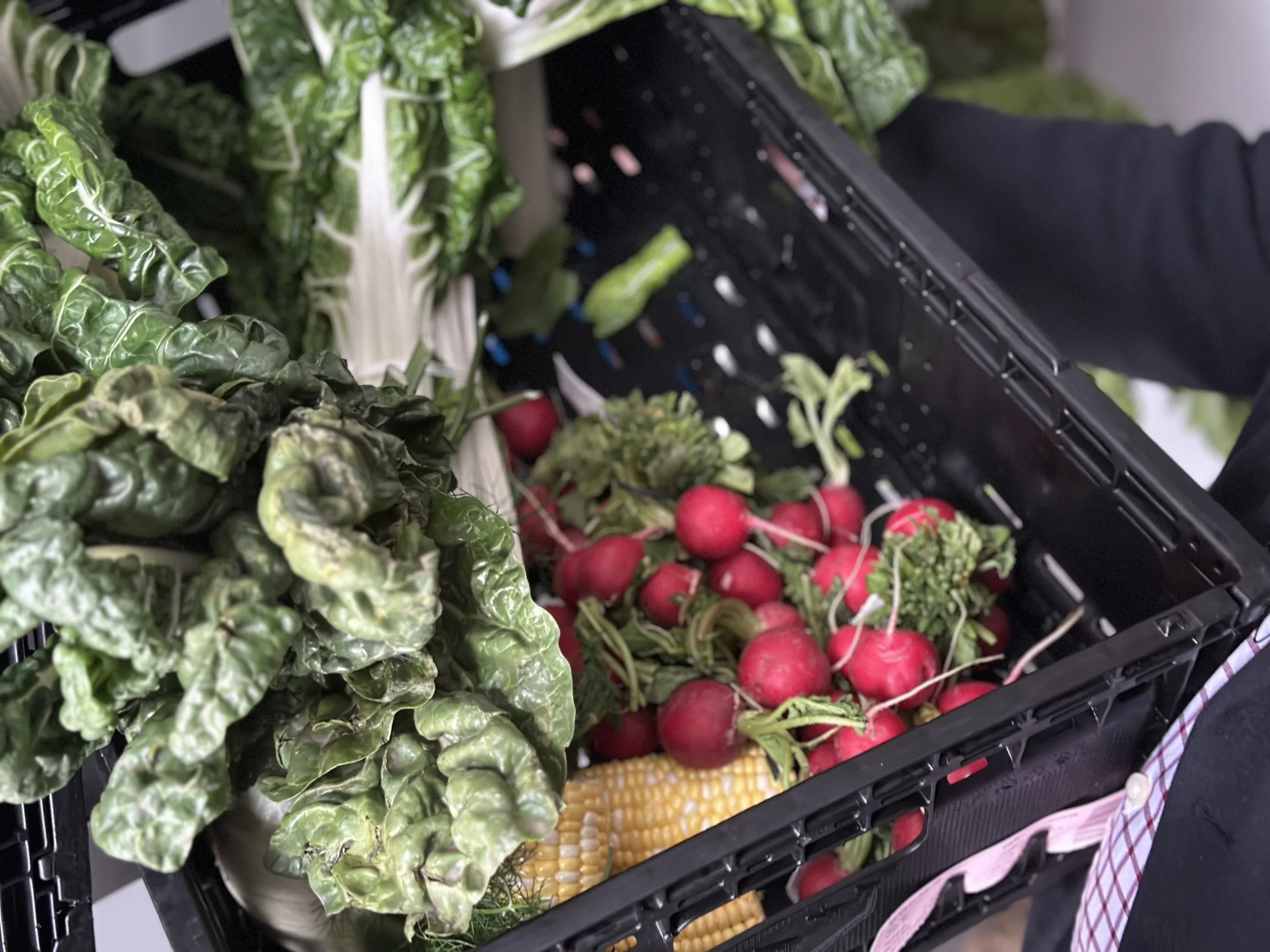
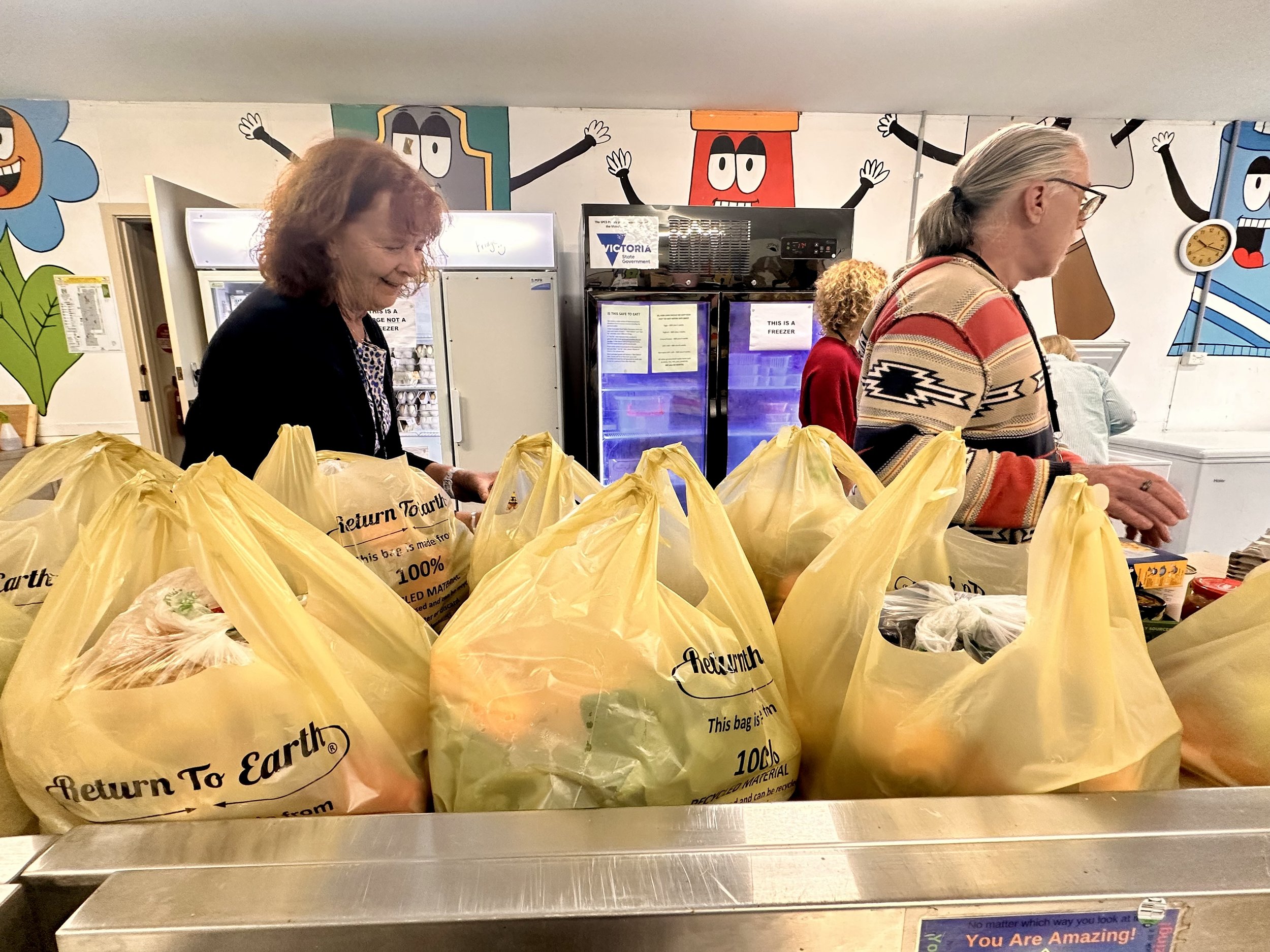
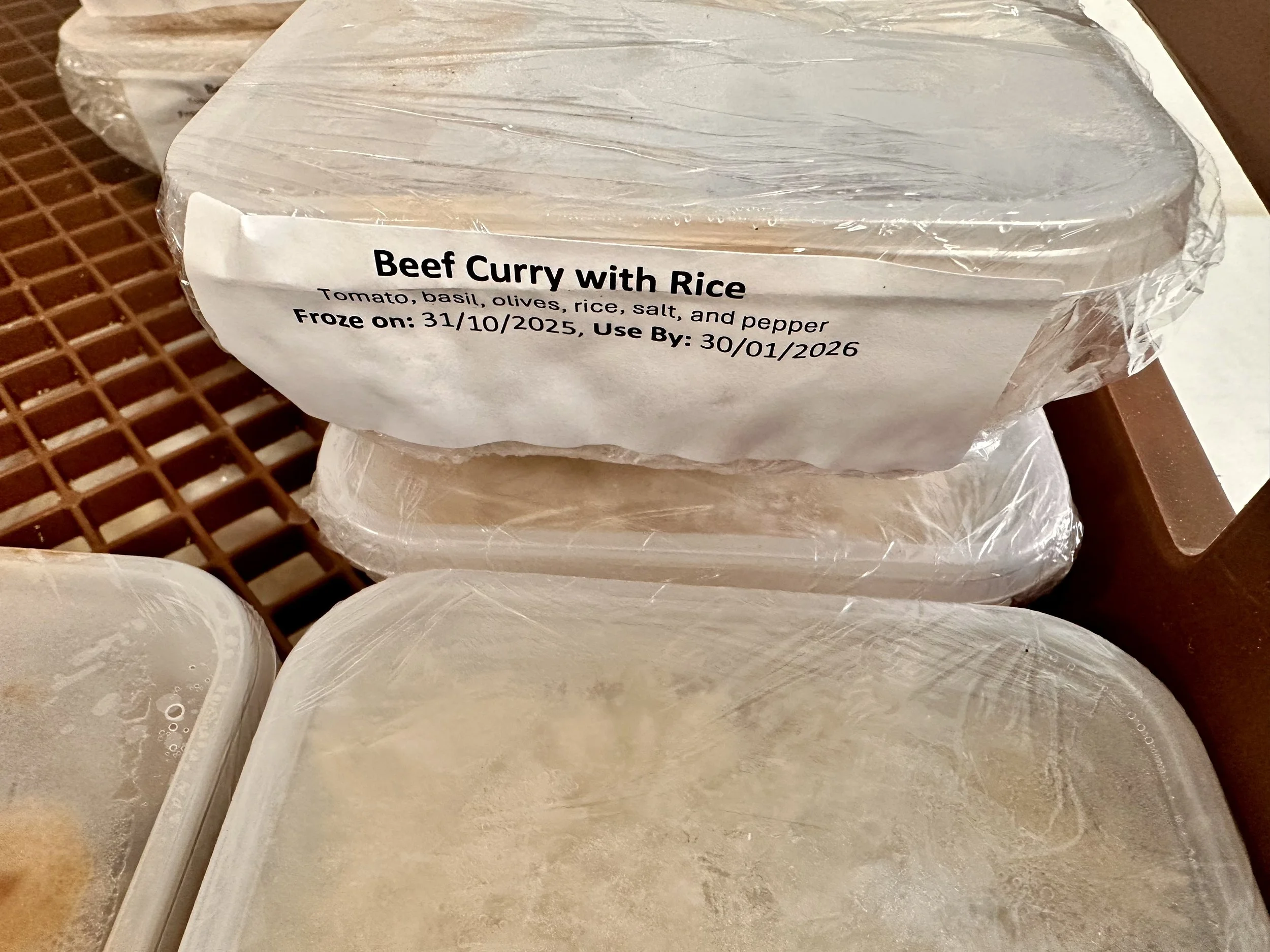

SPCS relies on regular food and material aid donations.
A great example is the weekly fresh fruit and vegetables that Panton Vineyard in Red Hill collects and brings in every Tuesday as part of SPCS’s new Peninsula Grow to Give program which encourages local gardeners and community members to donate their excess produce.
Others donate pantry basics or toiletries or give a little more, like the 100 frozen prepared meals that RACV Cape Schanck drops off every week.
“The state government gives us nothing,” Jeremy says. “And when it comes to Federal government funding there’s what we’ve dubbed ‘a distance related efficiency bias’.”
“Grants are all about meeting KPIs and Spring Street is 90 kms away so agencies struggle to meet the same KPIs as a service say in Northcote.”
“With recent changes in federal funding, a large chunk has gone to an out of area organisation offering only phone assistance but that’s not the same as face- to- face contact with someone you can trust,” Miranda says. “Clients can get supermarket food vouchers but they are mailed out, or you have to go to Dandenong to get them. If you’re a single mum in trouble you can’t afford the petrol to go there. If you’re a rough sleeper you don’t have a mailing address.”
“For years we’ve warned that additional resources were urgently needed,” Jeremy says. “With no government funded outreach workers, no funded crisis accommodation, and an explosion in rough sleeping, we are in dire straits.”
How you can help
In the lead up to Christmas, Southern Peninsula Community Support needs all the help we can give.
You can make tax deductible donations here: https://icareforthesouthernpeninsula.raiselysite.com/
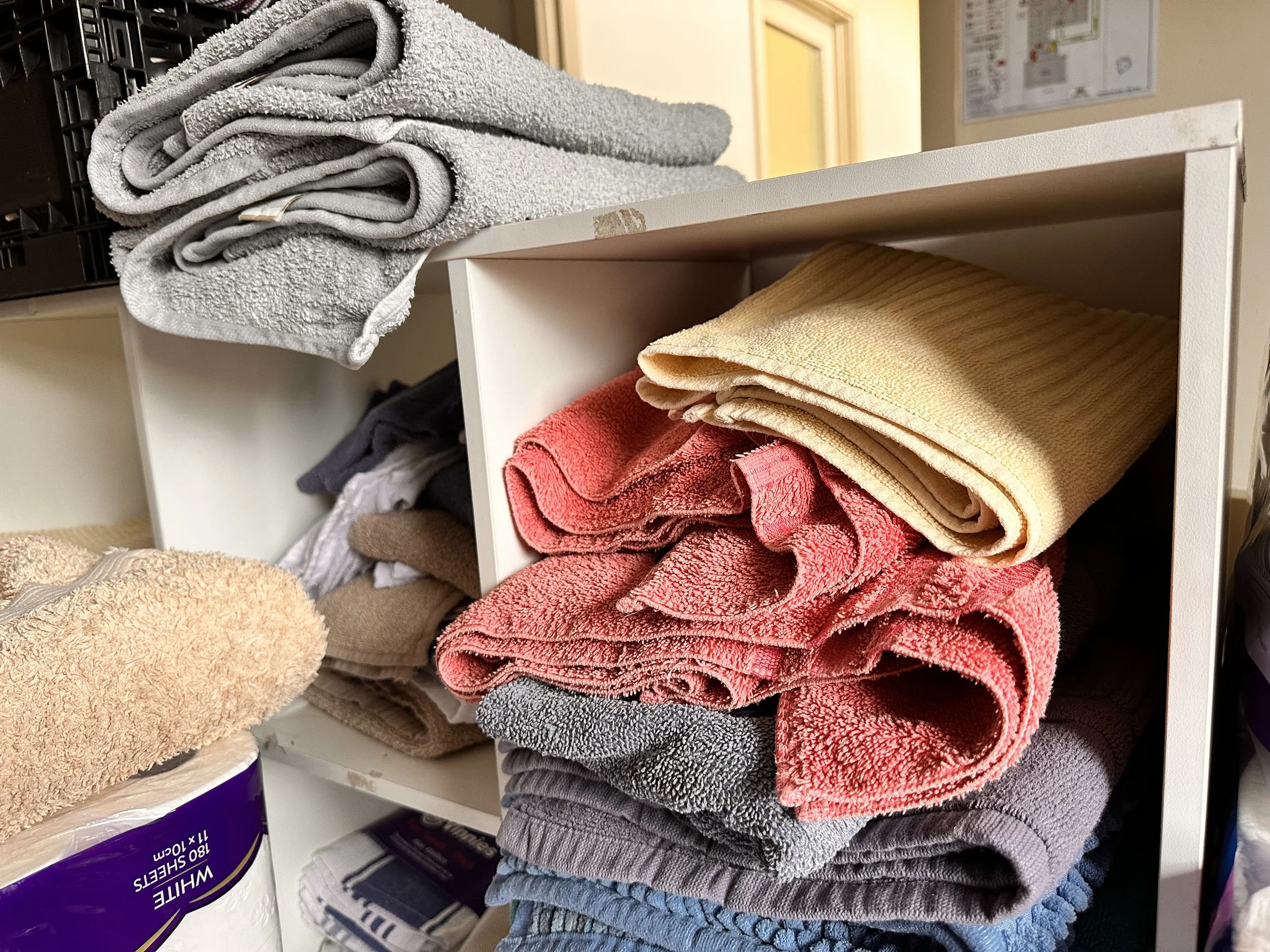
And you can go by the SPCS centre in Rosebud to drop off fresh fruit and vegetables, non-perishable food items, towels for the Splash program, blankets for those sleeping in cars, new baby goods, personal hygiene items.
For more information on what is needed and how to help, you can contact the centre on 59861285 or by emailing the centre at admin@spcsic.org.